



Key facts
- PwC: U.S. holiday spending up 5.4% in 2026
- Inflation-adjusted growth projected at 2.8%
- Adobe Analytics forecasts nearly $13 billion (Black Friday)
This basket
Why it matters
Holiday sales are a key stretch for retailers, and the gap between nominal and inflation-adjusted growth suggests much of the increase reflects higher prices rather than more goods sold. Investors watching consumer-facing sectors may look at how big-box and online sellers fare when households are stretched. The split between in-store and e-commerce activity is a further theme to follow.
The investment idea
Ulys built Holiday Retail Resilience around this story. The bet is that U.S. shoppers keep spending through the holidays but favor value, convenience and deals. Walmart, Costco and Target cover in-store retail, while Amazon adds online scale. Nominal spending growth can overstate real demand when inflation is high, and discounting can lift sales while pressuring margins. It holds Walmart, Amazon, Costco and Target. The full basket, and the reason for each pick, is at the top of this page.
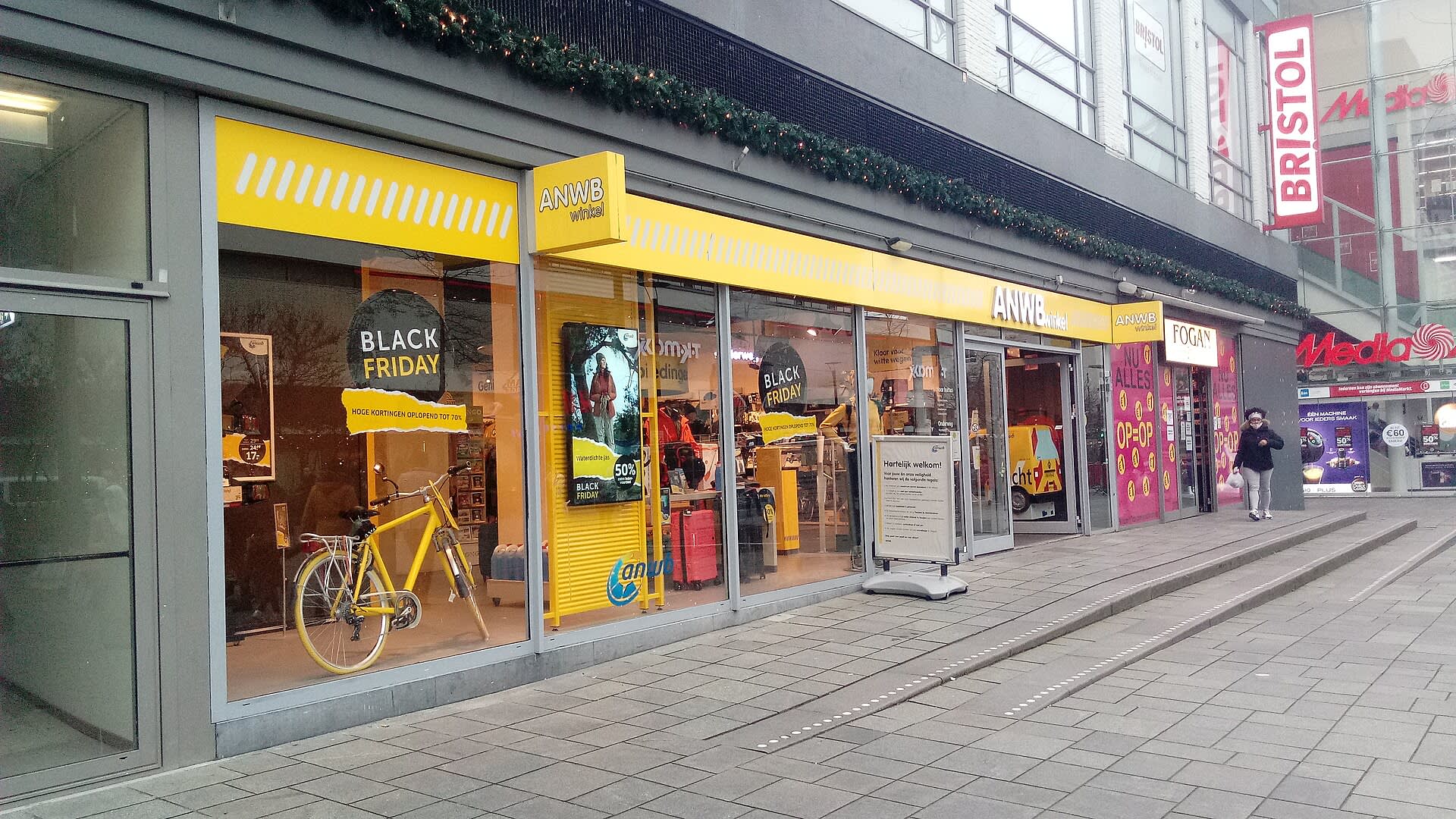
Ulys does not give investment advice. A basket is a proposal you review, edit and approve. Tokenized stocks are tokens issued by third parties. They track the price of the underlying asset but are not the stock itself and give no shareholder rights. Asset availability depends on your country. Any investment is a risk. Photo: Donald Trung Quoc Don (Chữ Hán: 徵國單) - Wikimedia Commons - © / CC BY-SA 4.0.